Champions League Format 2026/27 Explained: League Phase to Final
Thirty-six clubs enter one league table. Each plays eight different opponents, but only the top eight qualify directly for the round of 16.
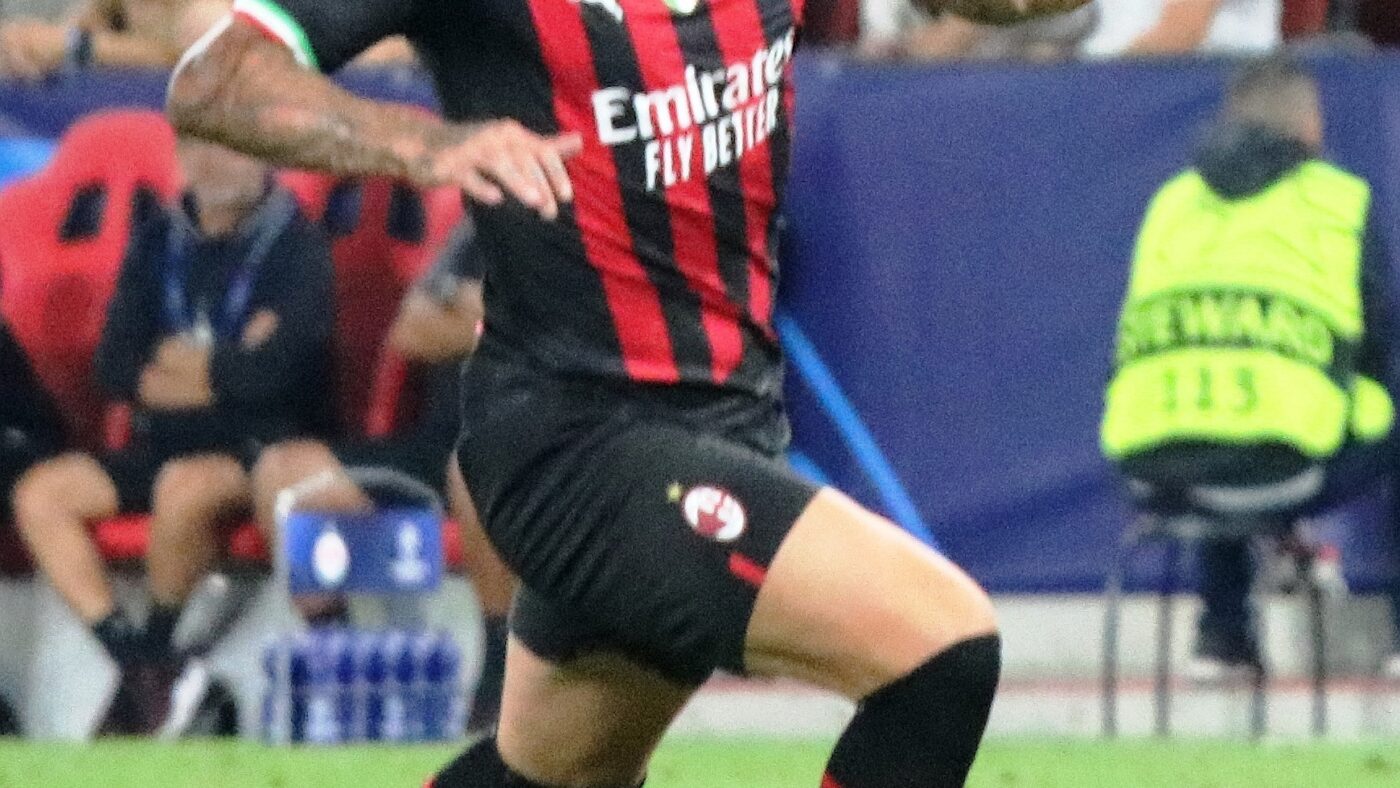
The modern Champions League no longer begins with eight groups of four. Its main phase is a single 36-team league in which every club receives a different schedule drawn from four seeding pots.
The format rewards every finishing position. Eighth avoids two February matches, ninth receives a more favourable play-off route than 24th and the highest league finish continues to influence the later bracket.
How the league phase works
The 36 clubs are placed in four pots of nine according to the applicable club coefficient, with the Champions League titleholder the leading seed in pot one. Each club is drawn against two opponents from every pot, playing one of those opponents at home and the other away.
The result is eight fixtures rather than a home-and-away mini-league. Clubs can therefore finish level on points after facing different opponents, which is why UEFA includes opponent-strength criteria deep in the tie-break sequence.
What happens after eight matches
The top eight go directly to the round of 16. Positions nine to 24 enter a two-legged knockout phase play-off. Positions 25 to 36 are eliminated and do not transfer into the Europa League.
This creates three separate battles during the league phase: direct qualification, play-off seeding and survival inside the top 24.
How the knockout bracket is shaped
League positions place clubs into paired sections of the bracket. In the play-offs, teams ranked ninth or tenth can face 23rd or 24th, while 15th or 16th can face 17th or 18th. Seeded sides in positions nine to 16 play the return leg at home in principle.
The top eight then enter the round of 16 through a related draw. Higher league-phase finish therefore offers more than a week off. It affects the range of possible opponents and, under the 2026/27 regulations, home-leg advantages deeper into the bracket.
What remains unchanged
Knockout rounds are still played over two legs until the final. If aggregate scores are level after the second leg, extra time and, if necessary, penalties decide the tie. The final remains a single match at a pre-selected venue.
Why midfield depth matters more in this system
Two extra league-phase fixtures compared with the old six-match group stage increase both load and tactical variety. A club may face a pressing champion, a low defensive block and a transition specialist in consecutive European rounds. Midfield depth must therefore cover different problems, not merely provide replacements with the same profile.
Frequently asked questions
How many teams are in the Champions League league phase?
There are 36 clubs.
How many league-phase matches does each team play?
Each club plays eight matches against eight different opponents, four at home and four away.
Which teams qualify directly for the last 16?
The top eight in the league table.
Do eliminated Champions League teams enter the Europa League?
No. Teams finishing 25th to 36th are eliminated from European competition.
Sources and methodology
This guide was checked against the following primary or specialist sources. Rules and schedules can change, so the official competition pages remain the final authority.
Last checked and updated on 13 August 2026