Arsenal must control the space Coventry will target
Arsenal’s territorial control will matter less than their protection against the transitions Coventry must create.
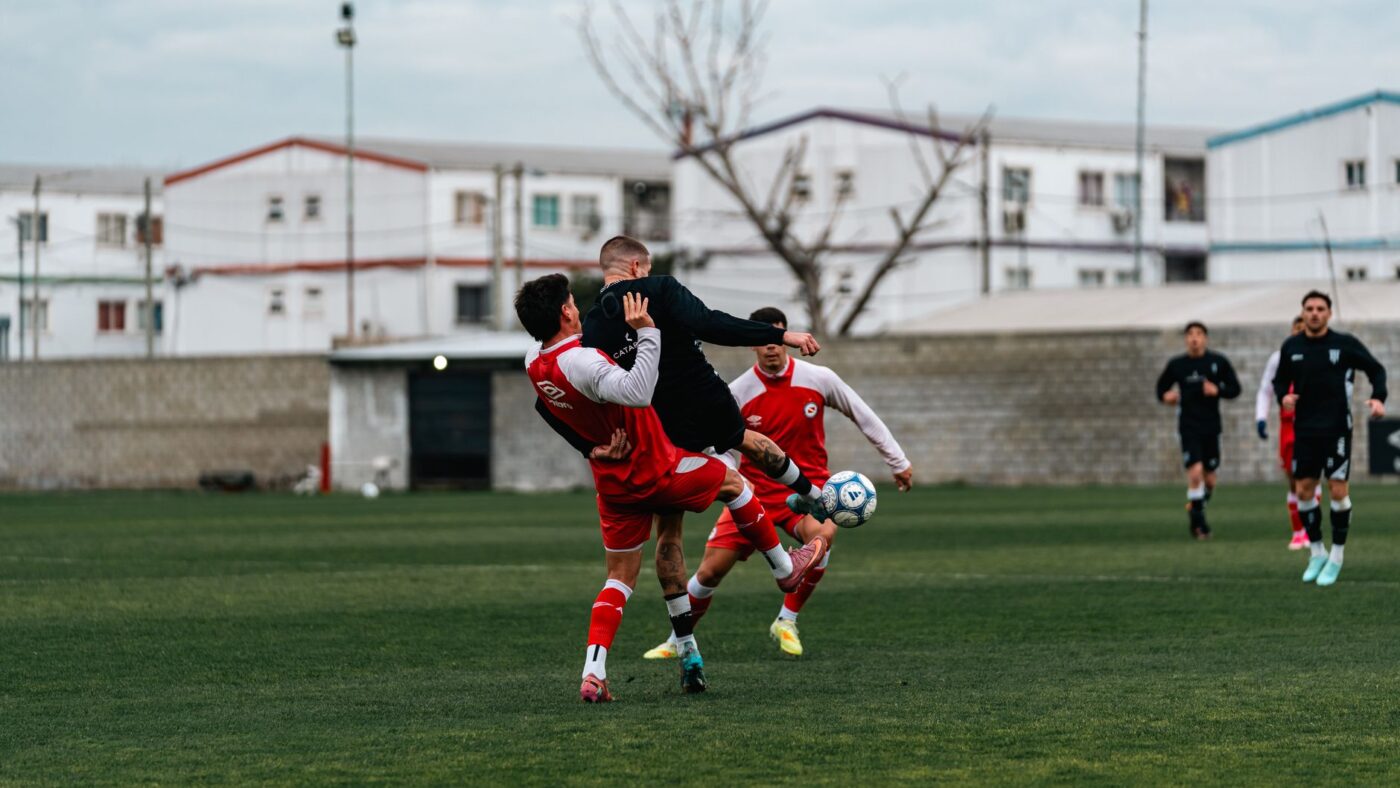
Arsenal begin this Premier League fixture with the expectation that comes with being the home side, but almost no current evidence to guide them. Their central task is to turn possession into sustained pressure without leaving the match open whenever Coventry City regain the ball.
The fixture is Arsenal v Coventry City, and the scheduling line is Kick-off (UTC): 2026-08-21T19:00:00Z. It arrives with neither side carrying a league result into the contest, so assumptions about rhythm, confidence and competitive sharpness should be treated cautiously.
With the table untouched, the home entry reads 1. Arsenal – P0 W0 D0 L0, GF 0, GA 0, GD +0, 0 points. That makes this a preview of structural demands rather than recent league trends: where Arsenal build, how they secure possession and whether they can keep Coventry away from valuable central spaces.
Taken in isolation, home possession will say little. Arsenal need circulation with purpose, moving Coventry’s defensive block before finding passes into the area between midfield and defence, while keeping enough protection behind the attack to stop clear counter-attacking routes from developing.
Coventry’s own line is 1. Coventry City – P0 W0 D0 L0, GF 0, GA 0, GD +0, 0 points. Their problem is therefore equally clear: they cannot rely on the table to define the scale of the assignment, and must instead make the game uncomfortable through compact distances, disciplined pressure and useful possession after regains.
The strongest Coventry approach would be selective rather than passive. Closing the centre, encouraging Arsenal towards the flanks and then attacking the space left by advanced home players offers a coherent route into the match, provided their first pass after winning the ball survives Arsenal’s counter-pressure.
The historical line needs careful handling
Fresh context comes from an unusual record: Head to head, last 10 meetings: Arsenal 0 wins, draws 1, Coventry City 0 wins. That outcome line is not complete enough to establish a dependable historical pattern, so it should not be used as evidence that the sides are evenly matched or that a stalemate is especially likely.
For attacking context, the dossier adds: Goals across those meetings: Arsenal 31 in total. The figure suggests Arsenal have repeatedly found ways to create scoring volume in this fixture, but it reveals nothing about the quality of current attacks, the strength of present defences or Coventry’s contribution at the other end.
Out of possession, Coventry must control the zones from which Arsenal can combine quickly. If their midfield line is drawn too deep, the hosts can settle around the penalty area; if it jumps without support, Arsenal may gain space behind it and attack a retreating defence.
Territory will bring a different challenge for Arsenal. Their deeper players must remain connected to the attack, ready to collect clearances and restart pressure, while also judging when to engage a Coventry outlet and when to delay it. That balance is where an apparently comfortable home spell can become dangerous.
My judgement is that the match is more likely to be decided by Arsenal’s rest defence than by their ability to accumulate possession. Coventry do not need long periods with the ball if they can make their attacking moments start against an exposed or poorly spaced home structure.
Watch the first Coventry pass after each regain and the position of Arsenal’s covering players as attacks develop. Clean home recoveries should produce repeated pressure; successful away escapes should stretch the pitch, slow Arsenal’s momentum and give Coventry opportunities to advance before the defensive shape resets.
This leaves Arsenal with the greater burden of control. They must move the ball quickly enough to disorganise Coventry, yet retain the patience and spacing required to prevent the contest becoming a sequence of transitions. Coventry’s best chance lies in making those demands conflict.