City must deny Sunderland the shelter of a low-event game
The latest stalemate shows Sunderland’s route, but City should prevail if pressure becomes repeated penalty-area access.
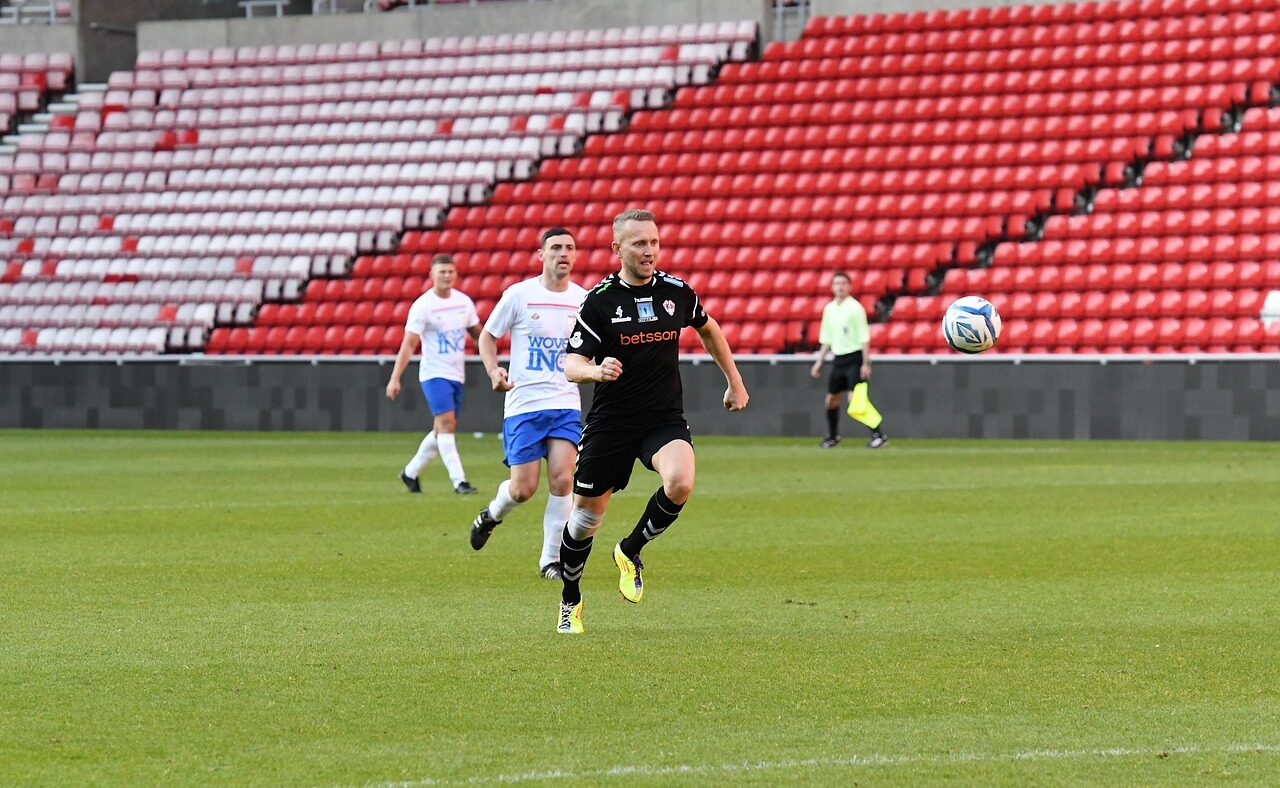
Ahead of the Premier League fixture on 20 September 2026, Manchester City’s perfect start makes them clear favourites, but the most relevant warning comes from the latest meeting. Sunderland have already shown that they can reduce this contest to a low-event game. City’s task is therefore to turn control into sustained threat rather than accept sterile dominance.
Manchester City have won their opening four league games, scoring eight goals and conceding two. That balance suggests a side controlling both ends of the pitch, with enough attacking output to establish leads and little defensive leakage to undermine them. Sunderland sit 14th, with three goals scored and five allowed, so an open exchange would appear to favour the leaders.
City should aim to make their territorial advantage cumulative. Circulation only matters if it moves Sunderland’s defensive shape, opens routes into the penalty area and creates pressure that survives the initial clearance. If attacks repeatedly end in blocked central passes or hopeful deliveries, Sunderland can defend the moment and reset; if City keep the ball around the box and recover it quickly, each defensive action becomes less conclusive.
Sunderland’s priority is to control distance rather than possession. Their defensive units need to remain connected enough to close central access without sinking so deep that every clearance immediately returns. With their attacking return currently modest, they also need recoveries to produce an outlet. Otherwise, containment becomes little more than a prolonged invitation for City to attack again.
The stalemate offers Sunderland a plan, not a forecast
The 0-0 draw in the most recent meeting is the strongest counter-reading to the league table. It establishes that Sunderland can keep City out, and it gives their defensive approach credibility rather than reducing it to theory. Yet the preceding meeting in Manchester ended in a home victory without reply, showing how sharply the contest can tilt once City’s control acquires a scoring consequence.
Those results point towards game state as the tactical hinge. While the match remains level, Sunderland can prioritise compactness, protect the central lane and choose carefully when to commit players forward. A City lead would weaken that arrangement by making Sunderland’s restraint less useful, potentially creating more space around the visitors’ defensive structure. City must pursue that breakthrough without allowing frustration to loosen their protection behind the ball.
This is where the quality of City’s rest defence deserves attention. Sunderland’s limited scoring record does not mean their attacking moments can be ignored; it means those moments are likely to carry unusual value if opportunities are scarce. City need enough players positioned behind attacks to stop a clearance becoming territory, while Sunderland must make their first action after recovery count. The home side control the match if those transitions are extinguished before they develop.
Patience, then, should not be confused with passivity. City do not need to force the contest into disorder, because the broader evidence favours them when pressure is repeated and defensive control remains intact. Sunderland’s best route is to keep each City attack separate from the next, turning territorial retreat into a sequence of completed defensive actions rather than an accumulating siege.
The signal that matters most is the frequency with which City’s possession becomes renewed penalty-area pressure. If Sunderland can force resets and preserve an outlet, the stalemate is a meaningful guide. If City keep recovering the ball around the visiting block, the draw becomes the exception rather than the template. The leaders should win by making control relentless, not reckless.