Control is already separating the Premier League leaders
The opening table suggests restraint, rather than attacking volume alone, is becoming the season’s most reliable separator.
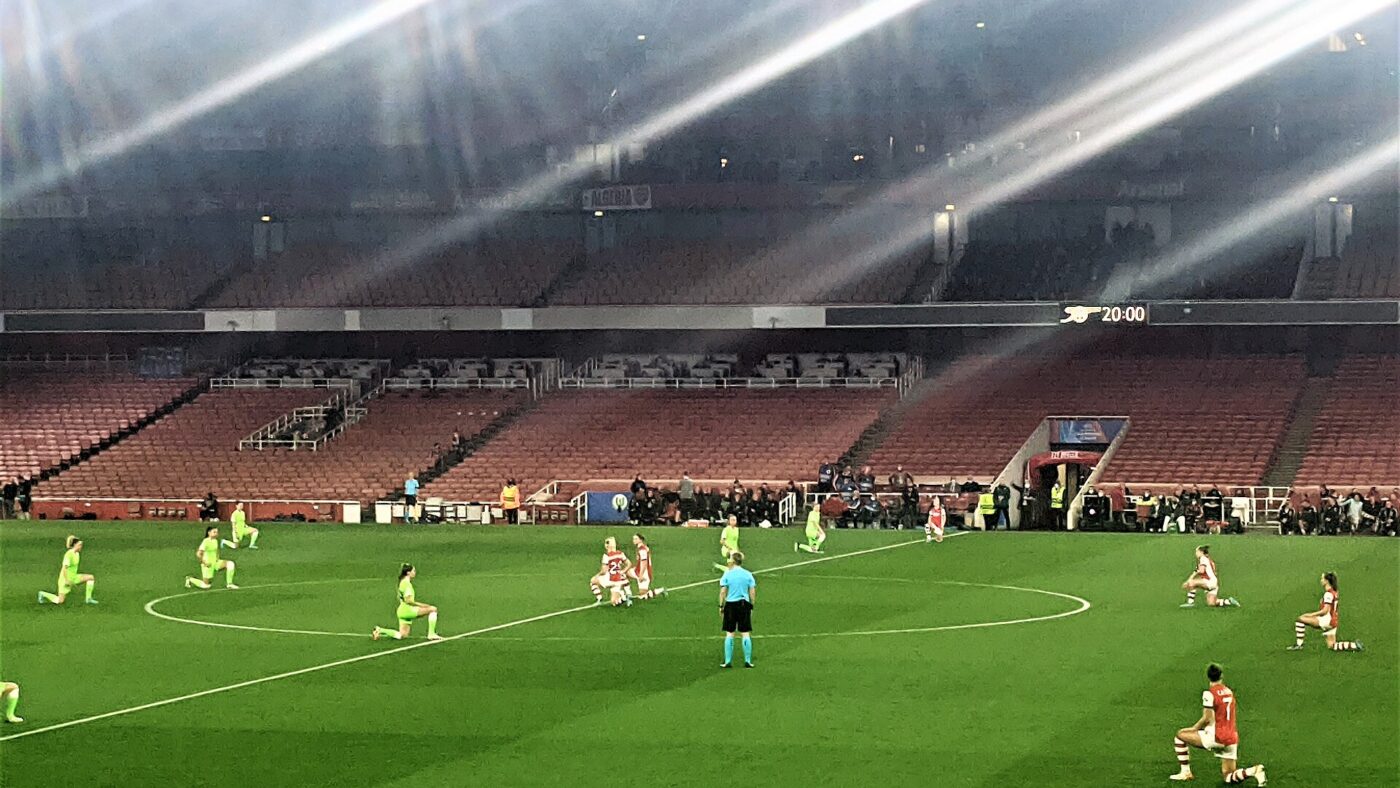
The immediate test. Ahead of Arsenal’s listed meeting with Chelsea, the report that Konsa is to make a full Arsenal debut provides a cautious peg rather than a conclusion. A selection call cannot prove where the season is heading, especially at this stage, but its setting is revealing: Arsenal approach the fixture with control established, while Chelsea’s figures describe a far less settled bargain between scoring and conceding. The wider judgement is that the early order is rewarding sides that can limit the terms of a match, not merely those capable of enlivening it.
At the summit. Manchester City and Arsenal both have 9 points and GD +5, so the table establishes proximity rather than a meaningful gulf between them. Arsenal have conceded 1 to City’s 2, figures too small to sustain sweeping claims but clear enough to identify the shared foundation of their starts. Neither side has yet had to accept much defensive disorder as the price of progress. That matters because early success can be noisy; these leading records instead suggest repeatable authority, with little dependence on matches becoming open or volatile.
The pursuit is being shaped by what clubs can prevent
Chelsea’s counter-case. Chelsea have scored 8 and conceded 7, giving them the strongest attacking return among the clubs shown while exposing the obvious cost. The reasonable alternative reading is that such production can eventually overpower the instability around it: goals provide room for improvement elsewhere and keep a side within reach of the leaders. Yet the goals-against column makes Chelsea’s matches less governable, and that is the crucial distinction before facing Arsenal. Their attack may be the most eye-catching feature of the current table, but it has not supplied the same security as the restraint above them.
Below the favourites. Hull City sharpen the argument by sitting directly beneath the leading pair with 3 scored and none conceded. Their position does not tell us that minimal attacking output is a grand formula for the whole campaign; it does show how heavily the present table rewards the removal of risk. Midfielder’s Aston Villa analysis supplies the necessary brake on any rush to permanence, judging their early deterioration to be genuine without treating it as durable. Those ideas belong together: the table can diagnose which qualities are working now without guaranteeing that every current direction will hold.
The season’s early lesson. The Konsa report would matter less as a verdict on an individual than as a test of whether Arsenal can absorb change without surrendering their collective advantage. Chelsea can challenge that advantage by making the contest more expansive, but their own evidence suggests that openness currently helps and harms them in almost equal measure. Our verdict is firm: control is setting the hierarchy, and the clubs chasing the leaders will have to become less permissive before attacking ambition alone can rearrange it.