Ipswich’s risk balance gives Forest their clearest route
Ipswich’s scoring edge matters only if they limit the openness that gives a restrained Forest side its best chance.
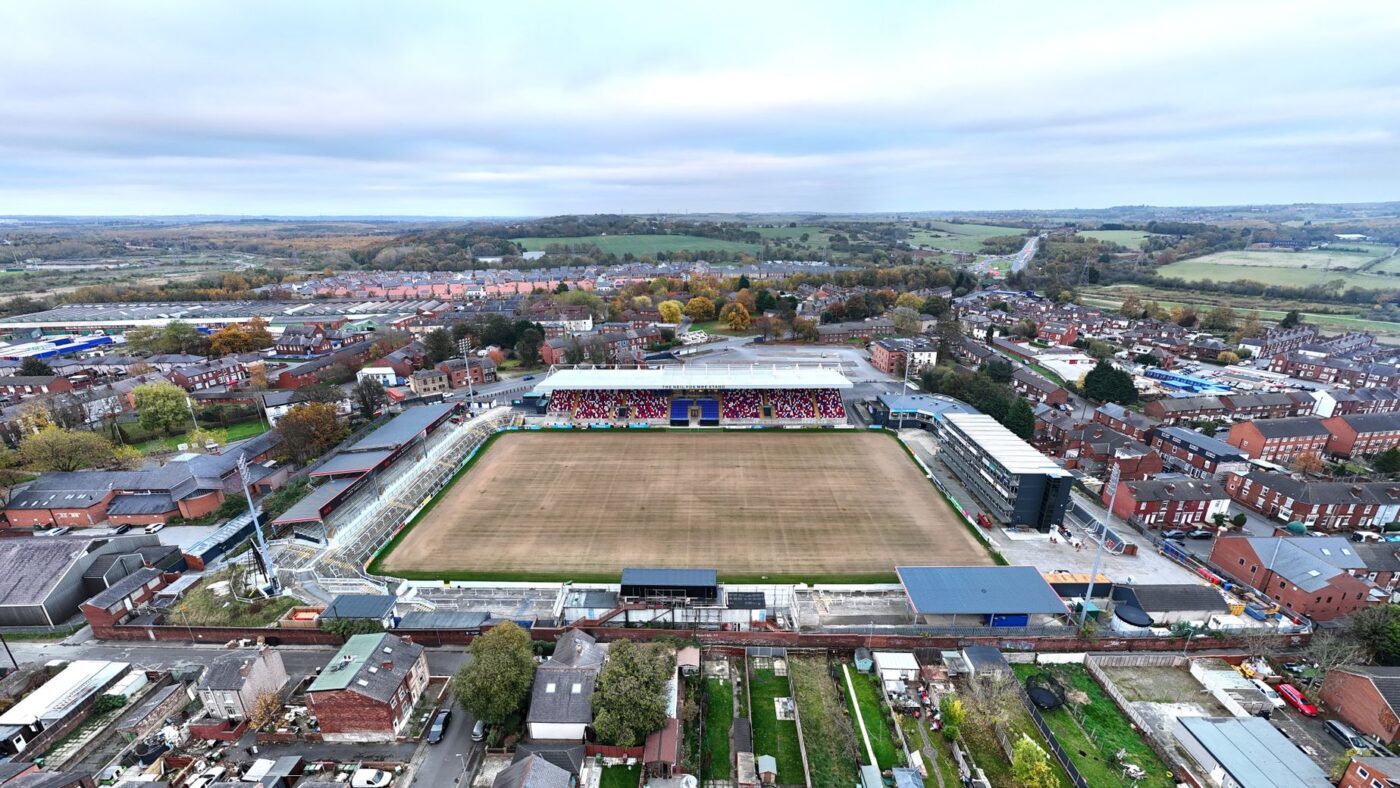
Midfielder — Ahead of Ipswich Town v Nottingham Forest on 23 October 2026, the central tension is between the home side’s greater attacking output and the vulnerability accompanying it. Ipswich should seek to dictate the game, but their priority must be making that pressure safe enough to deny Forest a route through turnovers.
The table supports that reading without proving a specific style. After seven matches, Ipswich sit 10th on 9 points and Forest are 19th on 5; Ipswich have scored 11 and conceded 15, while Forest have scored 5 and conceded 9. Each carries a -4 goal difference, but they have arrived there through markedly different scoring profiles.
For Ipswich, the danger lies in treating attacking ambition as sufficient control. Their figures suggest a side more capable of generating goals than Forest, yet also more liable to allow them. The tactical requirement is therefore to secure attacks: keep supporting units close enough to recover loose balls, avoid leaving large spaces behind advancing roles and recognise when an attack needs recycling rather than forcing.
Forest’s task is almost the reverse. Their low output makes a prolonged exchange of attacks look unfavourable, whereas the smaller concession total gives them a basis for staying compact and waiting for Ipswich to loosen the game. Patience without progression would merely invite pressure, so the quality of their release from defensive areas could be decisive.
Forest benefit if Ipswich mistake pressure for command
The strongest counter-reading is that Ipswich should embrace the game’s openness rather than fear it. They are higher in the table, have produced substantially more goals and are the home side; reducing attacking risk too far could blunt their clearest advantage. Against opponents with limited output, sustained pressure may be the most direct form of protection.
History in the supplied record also warns against assuming that Ipswich’s greater current production will settle the contest. The latest listed meetings ended Ipswich Town 2-4 Nottingham Forest and Nottingham Forest 1-0 Ipswich Town. Those results do not reveal the tactical mechanisms behind them, but the contrasting scorelines show that Forest have recently found ways to prevail in both a high-scoring match and a tight one.
That places the likely decision at the point where Ipswich attacks end. If the home side collect clearances and keep Forest pinned back, their scoring edge should gain weight as pressure accumulates. If their structure stretches and possession breaks down with players ahead of the ball, Forest can turn a game of limited attacking expectation into one decided by a smaller number of cleaner opportunities.
My verdict is that Ipswich should favour controlled pressure over a trading contest. Forest’s record offers too little attacking evidence to make them the likelier side when territory and second balls are managed, but enough defensive resistance to keep them involved until Ipswich overreach. The home side’s ability to protect their own attacks will decide whether their superiority in front of goal becomes an advantage or an invitation.