Number 10 in Football: The Premier League Playmaker Explained
A number 10 is still a creator between midfield and attack, but the modern role demands far more than waiting for the ball in a pocket of space.
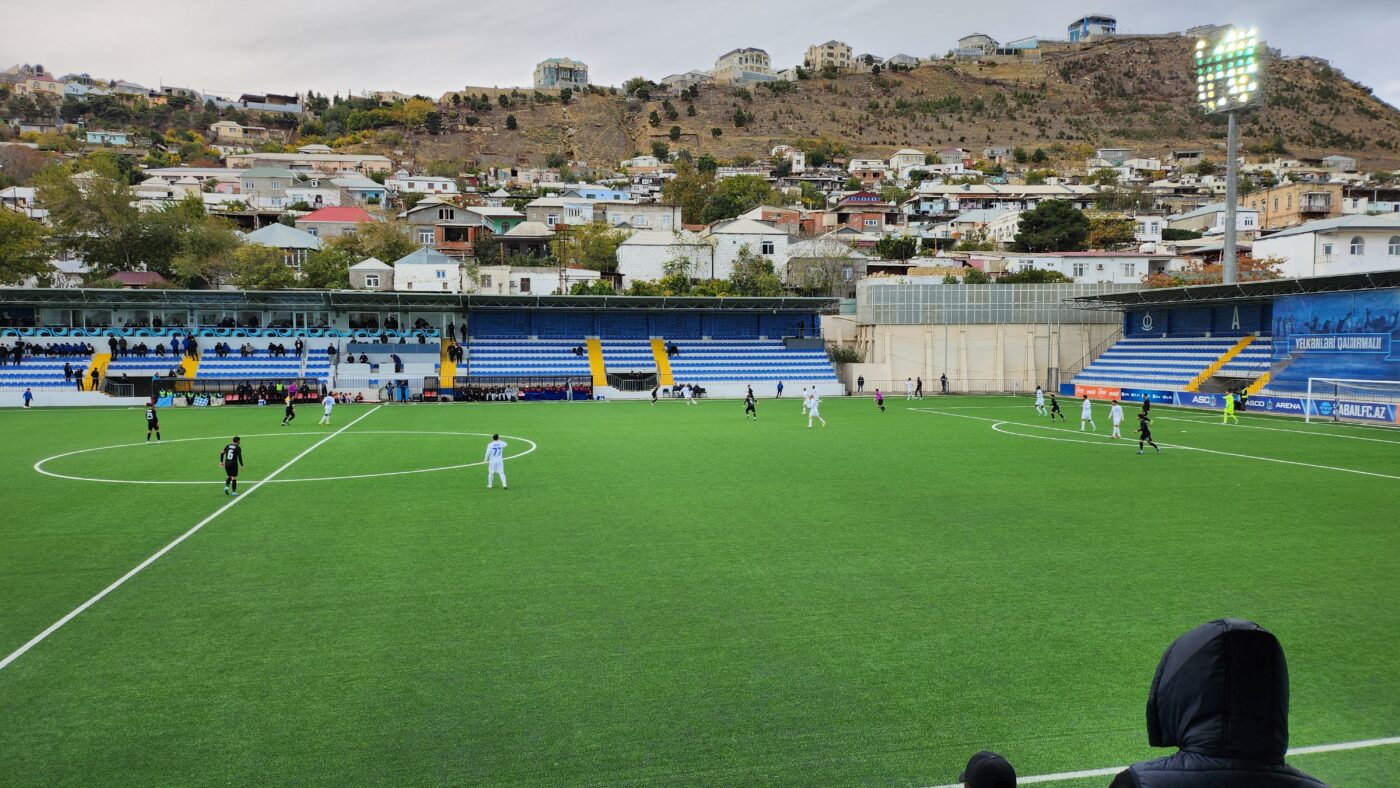
The classic image is familiar: a gifted playmaker drifting behind the striker, receiving on the turn and finding a pass that nobody else has seen. That remains part of the job, but it is no longer enough in a Premier League side that wants to press and defend with eleven players.
Modern number 10s create by moving as much as by passing. They drag holding midfielders away, overload one side, run beyond the striker and lead the first wave of pressure. The position has become harder to identify because its best performers rarely stay in the same pocket for long.
The role in one sentence
A number 10 is an advanced central midfielder who usually operates between the opposition’s midfield and defensive lines. The player’s main purpose is to connect possession to the forwards, create chances and occupy defenders with movement in the central attacking spaces. In a 4-2-3-1 the role sits behind the striker. In other systems, the same function may be performed by an advanced number 8, an inside forward or a false nine.
What the player does in possession
It helps to read the job as a sequence of decisions rather than a spot on a diagram.
- He receives on the blind side of an opposition midfielder so the pass can break a line.
- He checks away from the ball before returning into space at the moment the passer looks up.
- He combines quickly with the striker and wide forwards instead of taking extra touches for decoration.
- He threatens the penalty area with runs so defenders cannot simply step forward to block passes.
- He moves towards one flank when the central pocket is crowded, creating an overload without becoming a conventional winger.
Executed properly it reads as control. Executed poorly it leaves the team exposed with the ball at its feet.
What changes without the ball
Defending, the job is about spacing, timing and cutting off the next option.
- He closes the opposition’s deepest midfielder to stop easy central progression.
- He curves pressing runs so the centre back is forced towards a predictable side.
- He drops beside the midfield line when the press is beaten and central protection becomes the priority.
- He reacts immediately after a turnover because the team is often most exposed around the space he has vacated.
- He tracks a defensive midfielder when the opponent tries to create an overload in build-up.
Top performers are already defending the next action while the crowd is still watching this one.
How to recognise the role during a match
Watch the spaces around the referee and just behind the opposition midfield. The number 10 will often arrive there after beginning somewhere else. His body position matters: a player receiving side-on can see the striker and both wings, while a player receiving square is easier to press backwards. In defensive phases, the same player is often stationed near the opponent’s number 6.
The mistake people make
The role is often judged only by assists, but creation begins before the final pass. A number 10 can open a lane by pinning a defender, make a decoy run that frees a winger or receive under pressure and keep the attack alive. Equally, attractive touches do not compensate for poor spacing. A playmaker who always moves towards the ball can remove the very space he is meant to exploit.
Why it matters in the Premier League
Premier League opponents compress the centre quickly, so a number 10 needs strength, speed of thought and willingness to work without possession. Many managers now prefer players who can alternate between number 10 and number 8 duties. That flexibility makes pressing shapes less predictable and prevents the attack from depending on one fixed central pocket.
Frequently asked questions
Is a number 10 always an attacking midfielder?
Usually, although the function can be performed by a forward or an advanced number 8. The label describes the creative central role more than a fixed formation.
Why are classic number 10s less common?
Teams press more aggressively and defend in compact units, so a player who contributes little without the ball can be difficult to carry. Modern number 10s need defensive and positional discipline.
Can a team play without a number 10?
Yes. Chance creation can be shared by two number 8s, wide players, full backs or a false nine. The creative function remains even when no player starts in the traditional position.
Last checked and updated on 13 August 2026