Promoted Clubs 2026/27: Coventry, Ipswich and Hull Midfields Explained
Coventry City, Ipswich Town and Hull City enter the 2026/27 Premier League through three different routes, but all face the same central problem: how to protect their identity at a faster level.
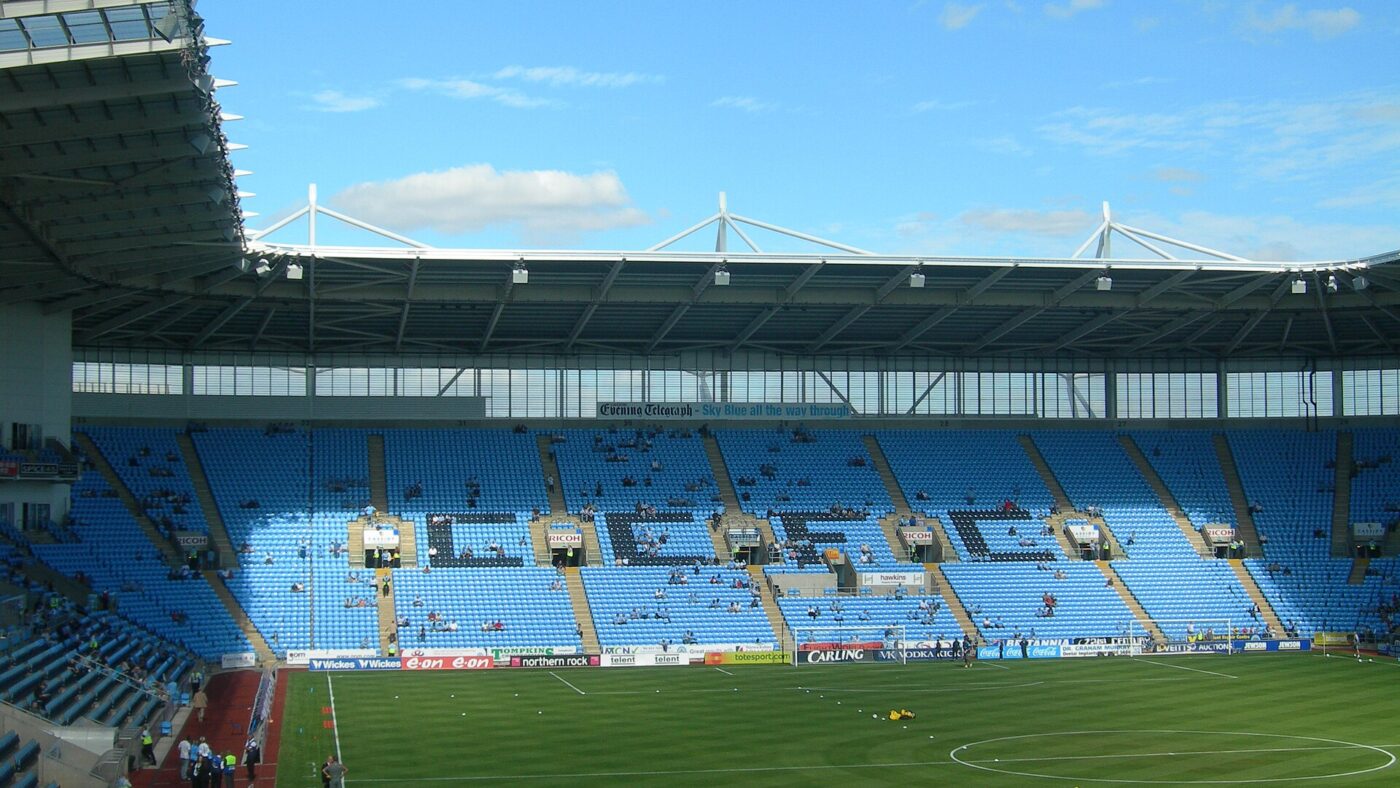
Coventry won the Championship, Ipswich finished second and Hull came through the play-offs. Promotion rewards a season’s work, then immediately changes the conditions in which that work must survive.
The Premier League gives midfielders less time, punishes turnovers more aggressively and asks promoted teams to defend for longer spells against elite positional attacks. The solution is not always to become more cautious. It is to become clearer about which risks remain worth taking.
Coventry City: controlling the emotional first phase
Coventry’s opening trip to Arsenal is an extreme test of spacing. The central midfield cannot spend the whole match chasing the ball towards the touchline, because Arsenal will reopen the inside lanes. Coventry need a compact block, clear handovers and enough composure on regains to make the home side retreat occasionally.
As champions, Coventry arrive with the confidence of a team used to imposing itself. The challenge is choosing the moments when that front-foot identity can still appear. A promoted side that never threatens to play through midfield eventually invites permanent pressure.
Ipswich Town: building without feeding transitions
Ipswich begin at home, which should offer more possession and emotional momentum. Their midfield task is to progress without sending every central player beyond the ball. Premier League opponents are ruthless when the first counter pass removes the holding midfielder.
The home match against Sunderland may show whether Ipswich can retain a passing identity under stronger pressure. One secure receiver at the base and well-timed number 8 movements can matter more than adding another attacker to the starting eleven.
Hull City: winning the second action
Play-off winners often arrive with resilience already built into their season. Hull’s first fixture against Manchester United will test the next layer: what happens after the first defensive action? Clearing a cross is not enough if United collect the second ball and attack again before the block recovers.
Hull’s midfielders need to turn duels into possession, not merely contact. A clean second pass can release pressure, move the match up the pitch and give the defence a necessary pause.
The three survival questions
- Can the deepest midfielder receive safely when opponents press with elite speed?
- Can the number 8s support attacks without emptying the centre?
- Can the team collect second balls and keep possession after the first duel?
- Can the defensive block pass runners on without following them into damaging spaces?
- Can the promoted side still impose something of its own rather than surviving every match?
Why the opening fixtures matter but do not define them
Coventry and Hull begin against heavyweight opponents, while Ipswich receive a more familiar domestic test. Early results will shape mood, but performance details are more useful. A promoted midfield that preserves spacing, competes for second balls and creates a few controlled possessions may be building something sustainable even in defeat.
Frequently asked questions
Who was promoted to the Premier League for 2026/27?
Coventry City, Ipswich Town and Hull City.
Who won the Championship in 2025/26?
Coventry City finished as champions, with Ipswich Town promoted as runners-up.
Who won the Championship play-offs?
Hull City secured the final promotion place through the play-offs.
Sources and methodology
This guide was checked against the following primary or specialist sources. Rules and schedules can change, so the official competition pages remain the final authority.
Last checked and updated on 13 August 2026