What Is a Number 6 in Football? The Premier League Role Explained
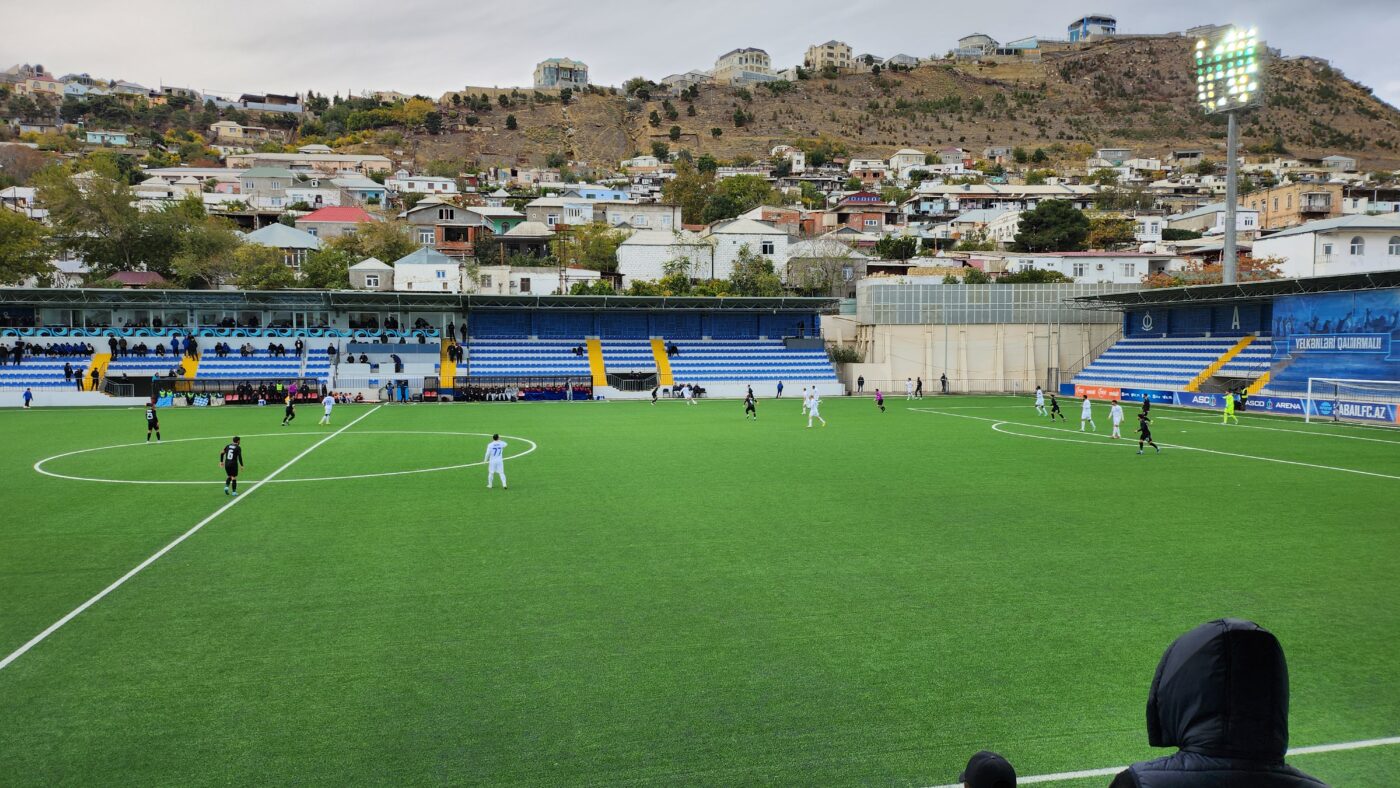
A number 6 is not simply the midfielder who stands nearest the centre backs. The role is about giving a team balance before, during and after every attack.
Watch a Premier League side build from the back and the most important player may be the one making the smallest movements. A few yards to the left can open a passing lane. A short drop can pull a marker away. One cautious decision can stop a counterattack before it starts. That player is often the number 6.
The label comes from football’s traditional shirt numbers, but it now describes a function rather than the number printed on a player’s back. Some number 6s are destroyers, some are passers and the best combine both jobs without making either look hurried.
The role in one sentence
A number 6 is the deepest central midfielder in a team’s usual structure. The player connects the defence to the rest of midfield, protects the space in front of the centre backs and decides when possession should be accelerated or settled. In a 4-3-3 the number 6 often sits beneath two number 8s. In a 4-2-3-1 the same responsibilities may be shared across a double pivot.
What the player does in possession
The job is best understood as a chain of decisions rather than a fixed dot on a formation graphic.
- He offers a safe angle behind the first line of pressure instead of hiding directly behind an opponent.
- He scans before receiving so the next pass can be played with one or two touches.
- He changes the point of attack when one side of the pitch becomes crowded.
- He stays connected to the centre backs while still being available to the more advanced midfielders.
- He judges when to hold his position because joining every attack would leave the team open.
Good execution makes the team look calm. Poor execution leaves the same team stretched even when it has the ball.
What changes without the ball
Out of possession, the role becomes a problem of distance, timing and access to the next pass.
- He screens passes into the striker or attacking midfielder rather than chasing the ball without a plan.
- He covers the space vacated by an attacking full back or a number 8 who has moved forward.
- He competes for second balls after clearances and loose aerial duels.
- He delays counters long enough for the rest of the side to recover its shape.
- He communicates constantly because he can see both the ball and the runners arriving from deep.
The best performers defend the next action before it becomes obvious to everyone else.
How to recognise the role during a match
Ignore the shirt number and look at the player’s starting position when the goalkeeper has the ball. A true number 6 repeatedly appears between or just ahead of the centre backs, checks both shoulders before the pass arrives and keeps an angle that lets him play forward. When possession is lost, he is usually the first midfielder trying to block the central route rather than sprinting towards the touchline.
The mistake people make
The common error is to treat every defensive midfielder as the same type. A ball winner may be aggressive in duels but limited as the first receiver. A deep playmaker may dictate possession but need physical protection around him. A lone number 6 must usually solve both problems. The role is defined by responsibility and position, not by tackles alone.
Why it matters in the Premier League
Premier League matches punish loose spacing because transitions are quick and forwards attack the channels immediately. A number 6 who receives on the wrong foot or steps out at the wrong moment can expose two centre backs to a direct run. The same player, when positioned correctly, can make an apparently frantic match feel controlled. That is why managers value reliability in this position as highly as visible creativity.
Frequently asked questions
Is a number 6 the same as a defensive midfielder?
Often, but not always. Defensive midfielder is a broad positional label. Number 6 usually describes the deepest central role and includes responsibilities in build-up as well as protection.
Can a team play with two number 6s?
Yes. In a double pivot, two midfielders can share the receiving, covering and screening duties. One may step forward while the other stays behind the ball.
Does a number 6 have to wear shirt number 6?
No. Modern squad numbers have no fixed tactical meaning. A player can perform the number 6 role while wearing almost any number.
Sources and methodology
This guide was checked against the following primary or specialist sources. Rules and schedules can change, so the official competition pages remain the final authority.