Crystal Palace must make Manchester City play slowly
The home side’s best route is to slow the match and protect central space; an open exchange would favour Manchester City’s scoring range.
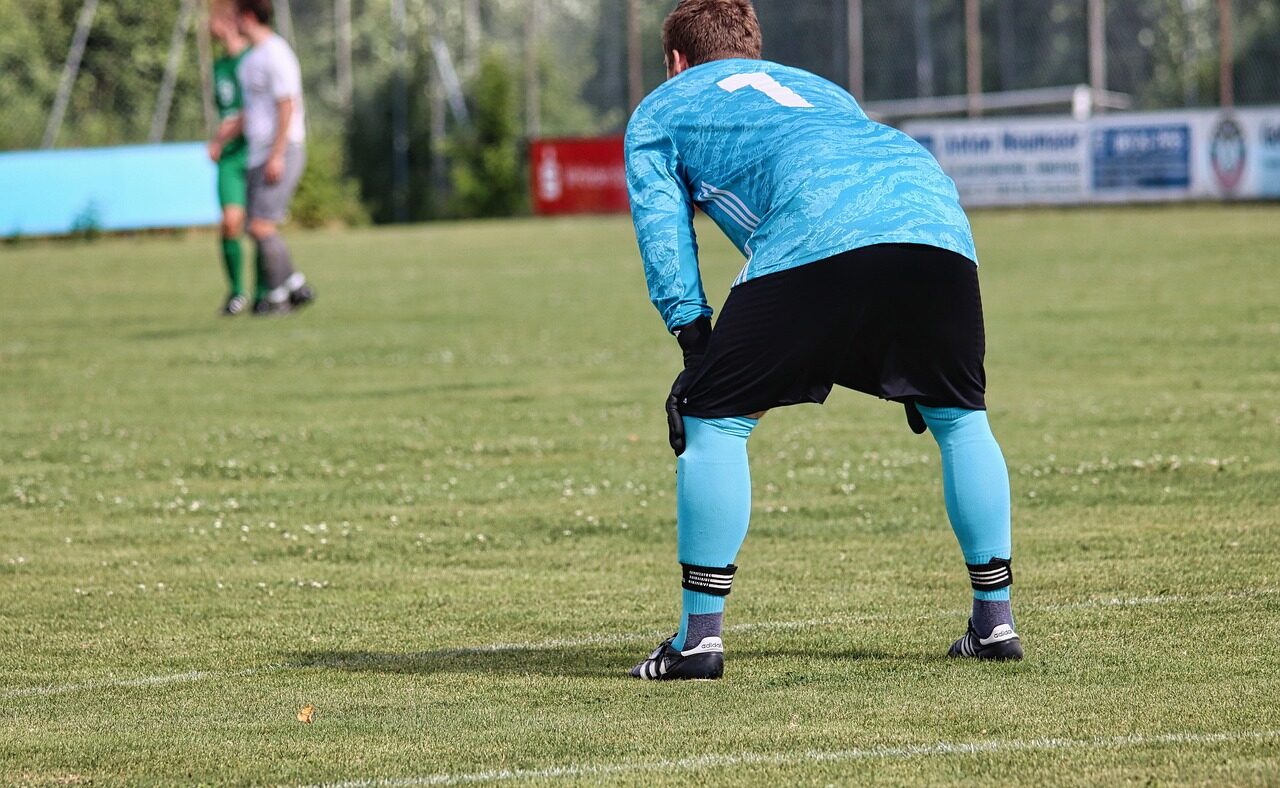
Midfielder — Ahead of Crystal Palace v Manchester City on 28 August 2026 at 19:00 UTC, the temptation is to treat attacking ambition as the home side’s answer to an imposing recent sequence. The stronger reading is the opposite: Crystal Palace need to restrict the pace, space and repeated exchanges through which Manchester City can turn superiority into goals.
Table positions offer only a narrow opening snapshot. Crystal Palace are 16th after losing without scoring, while Manchester City are seventh after beginning with a win in which they both scored and conceded. That is one-match evidence, useful for identifying the immediate contrast but too limited to establish either side’s lasting level.
The recent meetings carry more tactical weight. The latest ended Manchester City 3-0 Crystal Palace, and the previous listed fixture also produced a Manchester City win without conceding. An earlier 5-2 result shows a different type of victory: Crystal Palace found a route to goal, but the larger scoreline still favoured the visitors.
Those results do not reveal where attacks began or how the goals were created. They do, however, suggest that Manchester City have been comfortable whether the contest became controlled or more expansive. Crystal Palace therefore cannot rely on changing the mood of the game; they must change the conditions under which Manchester City attack.
Compact possession matters as much as compact defending
For the home side, slowing the match cannot mean surrendering the ball and remaining close to their own penalty area indefinitely. That would invite sustained pressure and make every clearance the start of another attack. Possession must instead be secure and compact, with short distances around the ball so that a lost pass does not expose an empty centre.
There is a counter-reading. Manchester City conceded in their league opener, while Crystal Palace did score in the more expansive of the listed recent meetings. That supports a case for aggression: attack before the visitors establish territorial control, commit runners and test whether the opening concession reflects a weakness that can be reached again.
Yet the same evidence weakens that argument. The high-scoring meeting is consistent with an open contest, although a scoreline alone cannot establish its tactical shape, and Manchester City still emerged with the greater return. Crystal Palace may need attacking ambition, but it has to be selective rather than constant: progress with support nearby, avoid isolated carries and retain enough structure to delay the response if possession is lost.
Manchester City’s task is correspondingly clear. They should seek quick changes of direction and moments when the home side’s lines have separated, rather than accepting a slow contest against a settled block. Their own control after losing the ball matters too, because the opening concession and Crystal Palace’s goals in the earlier meeting leave a credible threat if the hosts can escape pressure cleanly.
The likely decision point is the transition after a Crystal Palace attack. If the home side can recover into compact positions, force circulation away from central space and make each Manchester City advance begin against organisation, the fixture can remain resistant. If those attacks leave the middle open, recent evidence says Manchester City can win through restraint or through an exchange of goals.
The verdict is plain: Crystal Palace must make control more important than volume. Their opportunity lies in slowing Manchester City, protecting the centre and choosing when to advance; a stretched match decisively favours the visitors.