Premier League VAR Explained: What It Can and Cannot Review
VAR does not rereferee every decision. It can intervene only in four match-changing categories and under a defined standard of review.
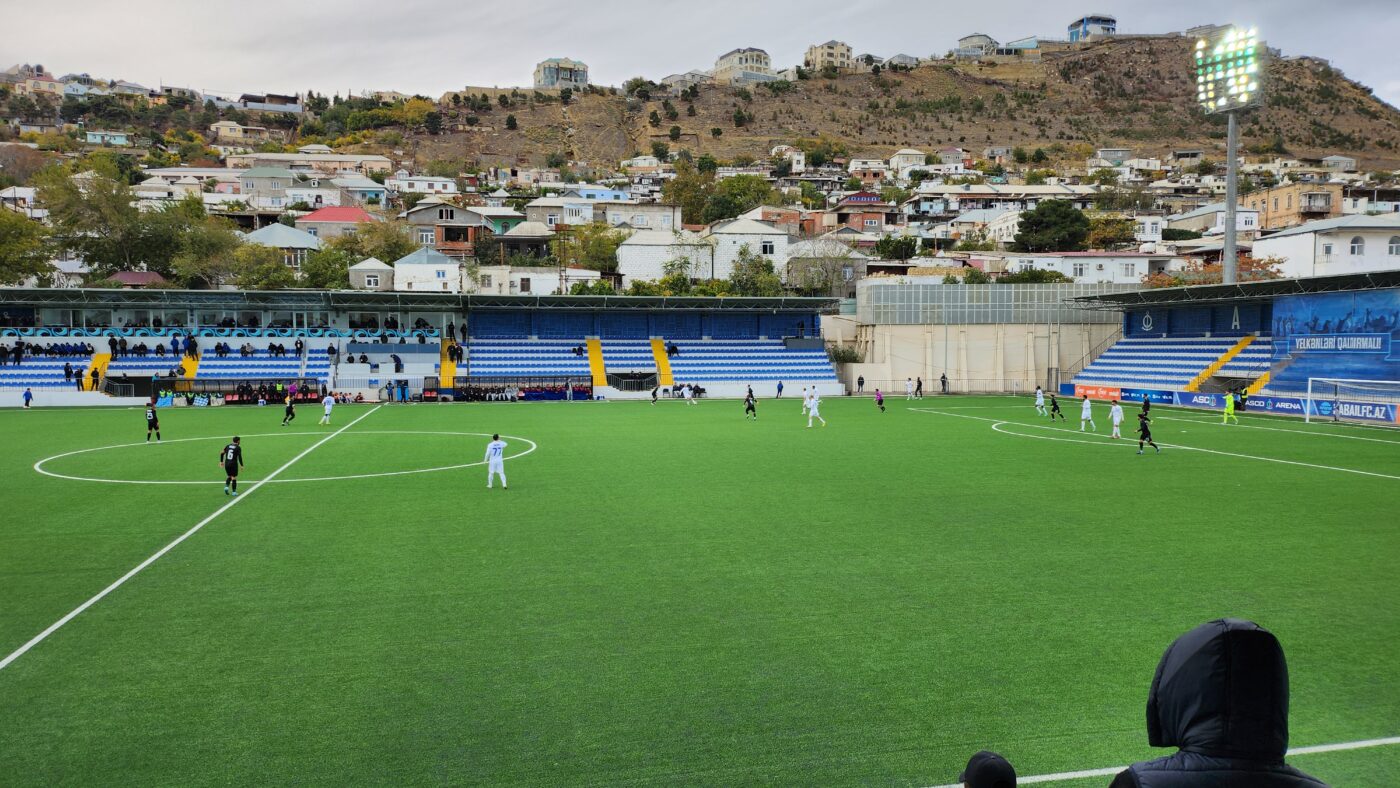
A missed foul in midfield can be obvious on replay and still remain outside VAR’s power. That is not necessarily an admission that the decision was correct. It reflects the system’s limited jurisdiction.
The Premier League uses VAR for goals, penalty incidents, direct red cards and mistaken identity. Even within those categories, the video official is not meant to replace every judgement made on the pitch.
The four reviewable categories
The system’s scope is deliberately narrow: goal or no goal, penalty or no penalty, direct red card and mistaken identity. A situation outside those categories cannot become reviewable merely because a replay makes the on-field decision look poor.
A potential foul during the attacking phase can be checked when it is materially connected to a goal. The same foul in an ordinary midfield passage may not be.
Clear and obvious error versus factual decisions
Subjective judgements, such as the force or consequence of a challenge, are generally assessed against the clear and obvious error threshold. VAR should not intervene simply because another referee might have chosen differently.
Some decisions are more factual. Offside position, whether an offence happened inside or outside the penalty area and mistaken identity can be resolved from the available evidence without the same degree of subjective deference.
Why the referee goes to the monitor
For a subjective overturn, the referee is normally advised to conduct an on-field review. The replay offers a second look, but the referee retains the final decision. A factual correction can often be communicated without a monitor visit.
The monitor is therefore not proof that the original decision will change. It signals that the video official believes a review is warranted.
What VAR cannot repair
VAR cannot revisit every incorrect corner, throw-in, ordinary free-kick or yellow card. It cannot manufacture a reviewable incident from general dissatisfaction. Once play restarts, there are also strict limits on going back to earlier decisions, subject to the laws concerning particular serious situations.
This boundary can feel unsatisfactory, but a system that reviewed every error would change the rhythm and authority structure of the match completely.
How VAR affects midfield play
Midfielders are often involved at the beginning of an attacking phase. A turnover, handball or foul can become relevant several actions later if the possession leads directly to a goal. Players must therefore react after losing the ball rather than stopping to appeal, because the phase may continue and be reviewed only after the outcome.
Frequently asked questions
What decisions can Premier League VAR review?
Goals, penalty incidents, direct red cards and mistaken identity.
Can VAR give a second yellow card?
A second yellow is not a standalone VAR review category, although another reviewable incident may have separate disciplinary consequences.
Does the referee have to accept the VAR recommendation?
No. The on-field referee makes the final decision, including after an on-field review.
Can VAR review an ordinary free-kick in midfield?
Not by itself. It may become relevant only if it forms part of a reviewable goal, penalty or red-card incident.
Sources and methodology
This guide was checked against the following primary or specialist sources. Rules and schedules can change, so the official competition pages remain the final authority.
Last checked and updated on 13 August 2026