Stability is becoming this season’s decisive advantage
Manchester City’s early lead matters because the wider notebook shows how quickly sporting and institutional uncertainty can accumulate.
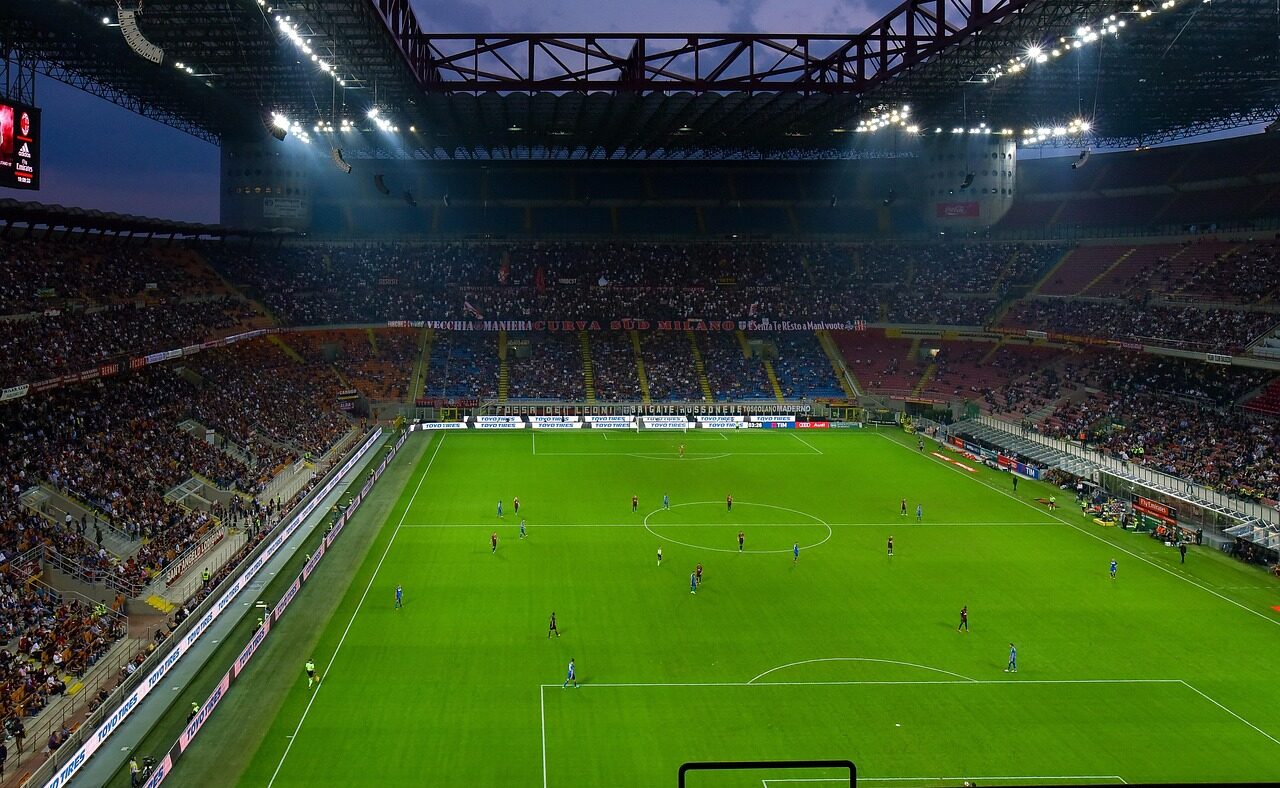
Sunday sharpens the point. Ahead of Liverpool v Man City on Sunday, the immediate news is mixed: Jacquet is fit, while Liverpool will be without Isak and Gakpo. The cautious reading is that availability changes the options rather than deciding the fixture. Yet it also frames the tension running through the season’s early evidence: results matter, but the capacity to absorb disruption may matter more, and Liverpool’s resources are being tested just as the leaders arrive.
City own the cleanest argument. As the current table stands, Manchester City have won all five matches for 15 points; Arsenal are second on 12, Brighton third on 10 and Brentford fourth on 9. There is a sensible counter-reading because Brighton’s 16 goals and +11 goal difference exceed Manchester City’s 13 and +8, while Brentford remain unbeaten. That is useful restraint: the leaders are ahead without ruling every listed category, but their unbroken winning sequence gives them the most dependable platform while others show impressive but less complete cases.
The significant separation is now about control
Arsenal’s pressure travels. Midfielder’s assessment that United look secure while Arsenal lose seeding ground belongs in the same argument, even though seeding is distinct from the league table. The club trying to pursue Manchester City domestically is also surrendering position by another competitive measure, which makes its margin for error look narrower. This does not establish a broader decline, but it suggests Arsenal’s challenge is being shaped by pressures that cannot be contained within a single table.
Everton reveal the institutional layer. The club being put up for sale by The Friedkin Group is not evidence of a sporting consequence by itself, and it would be too easy to turn an ownership development into a prediction about results. Its relevance is subtler: stability is not only a question of who is available or where a club sits. The prospect of ownership change places club direction itself in view, showing how the season can be influenced by uncertainty well beyond selection and form.
Repeatability is setting the terms. Liverpool’s availability could improve, Arsenal can answer pressure and an Everton sale need not produce disruption, so none of these stories fixes the season’s destination. Read together, however, they show why Manchester City’s start carries more weight than an early lead alone: it represents continuity while significant clubs manage uncertainty in different forms. The table is still competitive, but stability is already the clearest advantage, and Manchester City are the side currently defining its value.